Autonomous Car Icon from IoT Collection: A Modern Design Asset for Forward-Thinking Creatives
In the rapidly evolving landscape of digital design and smart technology, visual assets play a critical role in communication. Among these, the Autonomous Car Icon from IoT Collection has emerged as a powerful and versatile graphic for designers, developers, and marketers alike. This simple line icon, representing the future of transportation, is more than just an aesthetic element—it's a symbol of innovation, connectivity, and intelligent mobility.
What Is the Autonomous Car Icon from IoT Collection?
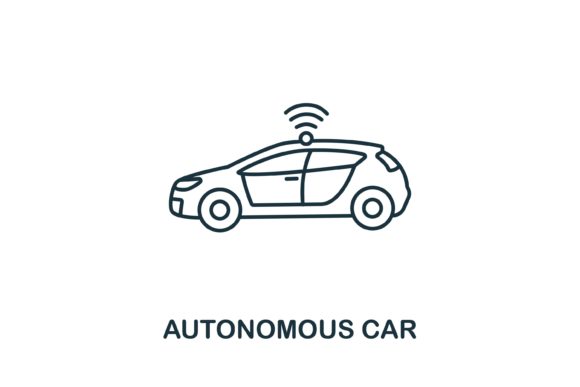
The Autonomous Car Icon from IoT Collection is a minimalist, vector-based design element that visually represents self-driving vehicles. Designed with clean lines and a modern aesthetic, it’s ideal for use in templates, web design, infographics, presentations, and mobile applications. Available in both EPS and JPG formats, this icon is easy to edit and integrate into a wide range of digital environments.
Part of a broader suite of icons within the IoT Collection, the autonomous car icon is specifically tailored for projects related to smart cities, mobility solutions, and the growing ecosystem of connected technologies. Whether you're designing a user interface for a mobility app or creating an infographic on urban transportation trends, this icon provides a clear, recognizable visual cue.
Why Designers and Marketers Are Paying Attention
As the world shifts toward automation and intelligent systems, visual design must evolve to reflect these changes. The rise of autonomous vehicles is not just a technological advancement—it's a cultural and economic shift that affects how we think about transportation, urban planning, and user experience. The Autonomous Car Icon from IoT Collection serves as a bridge between concept and communication, allowing creators to convey complex ideas quickly and effectively.
- Visual Consistency: In design systems where clarity and consistency are key, this icon offers a standardized visual language.
- Scalability: Vector-based EPS files ensure the icon remains crisp and clear at any size, from mobile interfaces to large-format posters.
- Brand Alignment: For companies in the mobility, tech, or automotive sectors, using relevant icons like this one reinforces brand identity and forward-thinking positioning.
Integration into Broader Industry Trends
The growing adoption of Internet of Things (IoT) technology has created a demand for design assets that reflect the interconnected nature of modern systems. Autonomous vehicles are a prime example of this trend, integrating sensors, machine learning, and real-time data to operate without human input. The Autonomous Car Icon from IoT Collection encapsulates this complexity in a simple, accessible format.
As cities become smarter and transportation more connected, the visual language of design must keep pace. This icon is not only relevant for tech startups and automotive brands but also for urban planners, government agencies, and educational institutions that are communicating the benefits and realities of autonomous mobility.
Practical Use Cases Across Industries
Designers and marketers can apply the Autonomous Car Icon from IoT Collection in numerous ways, depending on their audience and objectives:
- Mobile and Web Applications: Enhance user interfaces with intuitive icons that guide users through features related to ride-sharing, vehicle tracking, or route planning.
- Infographics and Reports: Visualize data on autonomous vehicle adoption, safety improvements, or environmental impact in a way that's engaging and easy to digest.
- Presentation Decks: Add a modern, professional touch to slides about the future of transportation, urban mobility, or smart infrastructure.
- Marketing Materials: Use the icon in brochures, banners, and social media graphics to represent innovation and technological advancement.
Meeting the Evolving Needs of Design and Technology Professionals
Today’s designers and developers work in fast-paced environments where adaptability and efficiency are crucial. The Autonomous Car Icon from IoT Collection meets these demands by offering a ready-to-use asset that integrates seamlessly into modern workflows. Its compatibility with popular design tools and its ease of customization make it a valuable addition to any digital toolkit.
Moreover, as businesses and consumers become more tech-savvy, expectations for visual clarity and intuitive design have risen. Users now expect interfaces to be not only functional but also aesthetically aligned with the technologies they represent. Icons like the autonomous car from the IoT Collection help meet these expectations by providing a recognizable, meaningful visual shorthand.
Supporting a Shift Toward Visual Storytelling
One of the most significant trends in digital communication is the move toward visual storytelling. Complex ideas are increasingly conveyed through images, diagrams, and icons rather than text-heavy formats. The Autonomous Car Icon from IoT Collection supports this shift by enabling designers to create compelling narratives around autonomous mobility without relying solely on written explanations.
For instance, a transportation startup launching a new autonomous shuttle service might use the icon across its website, app, and promotional materials to symbolize innovation, safety, and future-readiness. In this context, the icon becomes more than a design element—it becomes part of the brand story.
Conclusion: A Symbol of the Future in Your Design Toolkit
The Autonomous Car Icon from IoT Collection is more than just a graphic—it’s a reflection of the broader movement toward intelligent, connected systems that define the modern era. As autonomous vehicles become more prevalent and integrated into daily life, having a clear, professional visual representation is essential for designers, marketers, and innovators.
With its clean design, ease of use, and relevance to emerging trends, this icon is a valuable asset for anyone working in the fields of technology, transportation, or digital design. By incorporating it into your projects, you're not only enhancing your visual communication—you're aligning with the future of mobility and smart living.