The Versatility of the Screw Icon in Modern Web Design and Visual Communication
Understanding the Role of the Screw Icon in Digital Graphics
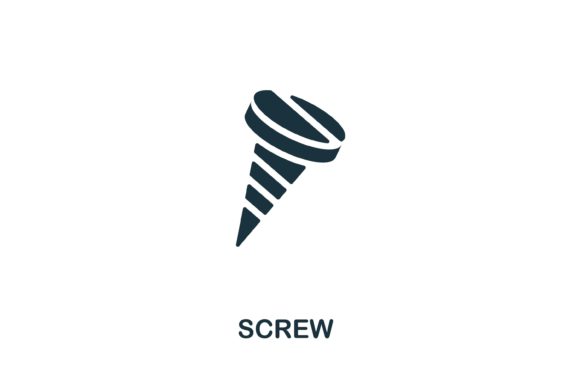
In the vast landscape of digital design, symbols and icons play a crucial role in conveying ideas quickly and effectively. Among these, the screw icon has emerged as a powerful visual element, especially within the manufacturing and industrial design sectors. This simple yet meaningful symbol communicates themes of assembly, precision, and mechanical integrity. Whether used in templates, infographics, or web interfaces, the screw icon offers both aesthetic and functional value.
The screw icon is typically designed in monochrome to ensure clarity and adaptability across different visual contexts. Its clean lines and geometric structure make it ideal for minimalist design schemes. Available in both EPS and JPG formats, this icon is easy to edit and integrate into a wide range of digital projects. Designers can scale it without losing quality, making it a versatile asset for everything from mobile apps to print media.
Applications of the Screw Icon Across Industries
- Manufacturing and Engineering: The screw icon is often used to represent technical support, assembly instructions, or repair services. It serves as a quick visual cue for users navigating industrial websites or mobile apps.
- Education and Training: In e-learning platforms focusing on mechanical engineering or DIY projects, the screw icon helps categorize lessons related to fastening techniques, tool usage, and mechanical systems.
- Business and Project Management: Project dashboards or task management tools may use the screw icon to indicate tasks related to setup, configuration, or system integration.
- Consumer Product Websites: Retailers selling hardware, tools, or DIY kits often use the screw icon in product descriptions, installation guides, or customer support sections.
Each of these applications benefits from the screw icon’s universal recognition. Unlike more abstract symbols, the screw is immediately associated with mechanical function and reliability. This makes it a strong candidate for intuitive interface design, where clarity is key to user experience.
Why Monochrome Design Enhances the Screw Icon’s Utility
One of the defining characteristics of a high-quality screw icon is its monochrome design. This approach offers several advantages:
- Scalability: Monochrome icons maintain clarity at any size, making them suitable for both mobile screens and large banners.
- Color Neutrality: A black or white screw icon can be easily overlaid on any background color without clashing or losing visibility.
- File Compatibility: With both EPS and JPG versions available, users can choose between vector and raster formats depending on their editing needs.
Designers who work across multiple platforms will appreciate the flexibility of the screw icon in monochrome. It can be recolored to match brand palettes or used as-is for a sleek, professional look. This adaptability is especially useful in creating cohesive visual identities across websites, apps, and marketing materials.
Technical Considerations When Using the Screw Icon
While the screw icon is simple in appearance, there are several technical considerations that designers should keep in mind when incorporating it into their projects:
- File Format: For maximum flexibility, use the EPS version when vector editing is required. JPG files are best suited for static use in presentations or web banners where scalability is less critical.
- Resolution: Ensure that the icon is rendered at a high resolution, especially when used in print or large-format displays.
- Contextual Fit: Always consider the surrounding design elements. The screw icon should complement, not compete with, other icons or text.
Another important factor is the level of detail in the icon’s design. A highly detailed screw may be more appropriate for technical diagrams, while a simplified version works better in user interfaces where speed of recognition is essential.
How the Screw Icon Supports Visual Storytelling
Icons like the screw icon are more than decorative elements—they are tools for visual storytelling. In infographics, for instance, a screw icon can represent a key step in an assembly process or indicate a critical component in a mechanical system. In web design, it might symbolize settings, adjustments, or backend configurations.
When used strategically, the screw icon can guide users through a digital experience without the need for lengthy explanations. This aligns with modern design trends that prioritize intuitive navigation and minimal text. The icon acts as a silent communicator, enhancing user comprehension without overwhelming the interface.
Comparing the Screw Icon to Other Common Design Symbols
While many icons exist to represent mechanical or industrial themes—such as gears, wrenches, or bolts—the screw icon stands out for its simplicity and precision. Unlike a gear, which may imply motion or complexity, the screw icon is more grounded in the idea of fastening and stability.
Here’s a brief comparison of the screw icon with other commonly used symbols:
- Gear Icon: Represents machinery, automation, or system settings. Often used in software interfaces for configuration menus.
- Wrench Icon: Suggests manual adjustment or repair. Commonly found in maintenance-related tools or service apps.
- Bolt Icon: Often paired with the screw icon to represent fastening systems. Useful in diagrams showing mechanical connections.
Each of these icons has its own strengths, but the screw icon offers a unique balance between clarity and conceptual depth. It’s simple enough to be universally understood, yet specific enough to convey precise meanings in technical contexts.
Design Trends and the Future of the Screw Icon
As web and app design continues to evolve, so too does the role of icons like the screw icon. Current trends favor minimalism, flat design, and high usability. The screw icon fits seamlessly into these paradigms due to its clean lines and straightforward representation.
Looking ahead, we can expect to see the screw icon used in increasingly creative ways. Augmented reality interfaces, smart manufacturing dashboards, and AI-driven design tools may all incorporate such icons to simplify complex processes. The demand for intuitive, icon-driven navigation is only growing, making the screw icon a valuable asset for future design projects.
Conclusion
The screw icon may seem like a small element in the grand scheme of digital design, but its impact is significant. From enhancing user interfaces to supporting visual storytelling, this icon serves as a bridge between mechanical concepts and digital communication. Whether you're a web developer, graphic designer, educator, or business owner, incorporating the screw icon into your projects can improve clarity, professionalism, and user engagement.
With its availability in both EPS and JPG formats, the monochrome screw icon is not only easy to use but also highly customizable. As design trends continue to prioritize simplicity and functionality, the screw icon remains a timeless choice for conveying mechanical precision and reliability in the digital world.