Understanding the Role of Project Status Icons in Modern Web Design and Management
In today’s fast-paced digital world, visual communication plays a crucial role in conveying information quickly and effectively. One of the most practical tools in this visual toolkit is the Project Status Icon. Whether you're managing a team, presenting data, or designing a website, these icons offer a simple yet powerful way to represent progress, completion, or delays in a project. In this article, we’ll explore what project status icons are, why they matter, and how they can enhance your work—especially when using monochrome versions in web design, templates, and infographics.
What Are Project Status Icons?
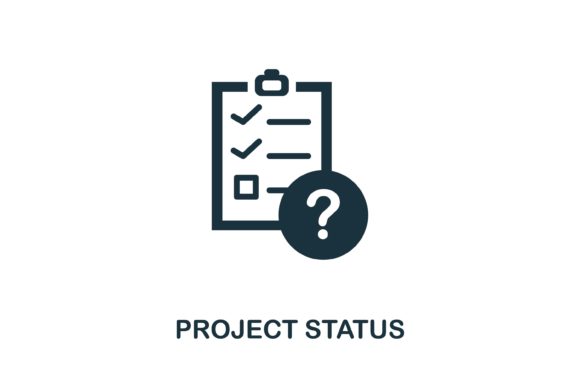
Project status icons are small graphical symbols used to represent the current state of a task or project. They typically include visual cues such as colors, shapes, or symbols that indicate whether a project is on track, delayed, completed, or still in planning. These icons are often part of a larger management collection of visual assets designed to streamline communication and improve workflow visibility.
Common status indicators include:
- Checkmarks for completed tasks
- Clocks or hourglasses for pending or delayed items
- Progress bars or loading spinners for ongoing work
- Warning signs or exclamation marks for issues or risks
Why Use Project Status Icons?
Icons serve as a universal language that transcends text-based barriers. They help users quickly grasp the meaning of information without needing to read lengthy explanations. Here are a few reasons why project status icons are essential in modern design and management:
- Improved Clarity: Icons simplify complex information and make it easier to digest at a glance.
- Enhanced User Experience: In web and app design, icons reduce cognitive load and make interfaces more intuitive.
- Consistency Across Platforms: Standardized icons ensure that messages remain consistent across different devices and software tools.
- Visual Hierarchy: Icons help organize content by drawing attention to key points or actions.
The Power of Monochrome Project Status Icons
While colorful icons can be visually appealing, monochrome project status icons offer a sleek, professional alternative that integrates seamlessly into modern web design, templates, and infographics. These icons use a single color—often black or white—to convey meaning through shape and form rather than hue.
Monochrome icons are especially valuable in:
- Minimalist Web Design: Clean, uncluttered layouts benefit from simple, elegant icons that don’t distract from the main content.
- Print and PDF Materials: Monochrome designs are often more printer-friendly and maintain quality across different formats.
- Branding Consistency: Companies with specific color schemes can use monochrome icons to align with brand guidelines without introducing new colors.
How to Use Project Status Icons Effectively
Whether you’re building a dashboard, designing a presentation, or creating a project management tool, using project status icons correctly is key to maximizing their impact. Here are some best practices:
1. Match Icons to Their Meaning
Ensure that the icon you choose clearly reflects the message you want to convey. For example, a checkmark should indicate completion, not progress.
2. Keep It Consistent
Use icons from the same design set to maintain visual harmony. Mixing styles (e.g., flat and outlined icons) can confuse users and disrupt the flow of information.
3. Pair with Text When Necessary
While icons are powerful, they should not replace clear labeling entirely. Especially for audiences unfamiliar with your system, pairing icons with brief text can improve understanding.
4. Optimize for Scalability
Choose vector-based formats like EPS or high-resolution JPG files to ensure your icons look sharp on all devices and screen sizes.
Where to Get High-Quality Project Status Icons
Many design platforms and marketplaces offer downloadable project status icon sets. When selecting icons, look for packages that include:
- Multiple file formats (such as EPS and JPG)
- Editable layers for customization in graphic design software
- Clear documentation or usage guidelines
- Compatibility with common tools like Adobe Illustrator, Figma, or Sketch
These icons are often part of a larger symbol, logo vector graphics collection, making them versatile for a wide range of applications—from dashboards and infographics to mobile apps and print media.
Real-World Applications of Project Status Icons
Let’s explore how project status icons are used in real-life scenarios:
1. Project Management Software
Tools like Trello, Asana, and Monday.com use status icons to show the progress of tasks and milestones. These visual cues help teams stay aligned and reduce the need for constant updates.
2. Business Dashboards
Company executives and managers often rely on dashboards to monitor key performance indicators (KPIs). Status icons help highlight which areas are performing well and which need attention.
3. Educational Platforms
Online learning systems use icons to show course progress, quiz results, and assignment statuses. This visual feedback helps learners stay motivated and track their achievements.
4. E-commerce and Customer Service
Order tracking systems often use status icons to show where a product is in the delivery process—whether it’s “Processing,” “Shipped,” or “Delivered.”
Common Misconceptions About Project Status Icons
Despite their usefulness, some people misunderstand how to implement project status icons effectively. Here are a few common myths:
- “Icons are self-explanatory.” While many icons are intuitive, they should be used alongside text or tooltips to avoid confusion.
- “Any icon will do.” Choosing the wrong icon can mislead users or dilute the intended message. Always test your icons with real users.
- “Color is always the best indicator.” In some cases, relying solely on color can exclude users with color vision deficiencies. Shape and pattern should also be considered.
Conclusion: Leveraging Project Status Icons for Better Communication
Project status icons are more than just decorative elements—they are essential tools for improving clarity, efficiency, and user experience across a wide range of platforms. Whether you're designing a website, managing a team, or creating educational materials, incorporating well-designed, easy-to-edit icons like monochrome project status icons can make a significant difference.
By choosing the right icons, using them consistently, and ensuring they’re accessible to all users, you can transform the way information is communicated and understood. With formats like EPS files and JPG files readily available, integrating these icons into your projects has never been easier—or more impactful.