Pet Booth: Enhancing Visual Communication with Animal-Themed Design Elements
Understanding the Role of Pet Booth in Modern Design
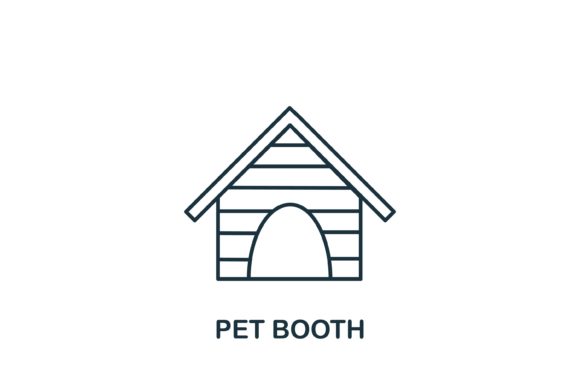
In the ever-evolving landscape of digital design, the use of symbolic and recognizable imagery plays a crucial role in conveying messages efficiently. The Pet Booth icon, part of a broader home animals collection, serves as a versatile visual asset that bridges the gap between thematic clarity and functional design. Whether used in templates, infographics, or web interfaces, this simple line element communicates the presence of pet-related services, products, or information with minimal visual clutter.
The Pet Booth symbol is more than just an aesthetic choice—it’s a practical tool for categorization and navigation. Designers often seek icons that are both intuitive and scalable, and this vector graphic delivers on both fronts. Its clean lines and recognizable shape make it ideal for use in responsive layouts and adaptive branding systems.
Technical Features and File Formats
When incorporating the Pet Booth icon into a design project, users typically receive two primary formats: EPS and JPG. The EPS file is especially valuable for its scalability. As a vector format, it allows for resizing without loss of quality, making it suitable for both print and digital applications. Whether you're designing a mobile app interface or a large-format poster, the EPS version ensures the icon remains crisp and professional.
The JPG file, while a raster format, is often used for quick implementation in web or social media contexts. It's easily editable in most image editing software and can be integrated into presentations, banners, and marketing materials with minimal effort. The combination of these two formats gives designers flexibility in how they apply the Pet Booth symbol across different media.
Why Choose Vector Graphics for Pet-Themed Design?
Vector graphics like the Pet Booth icon offer distinct advantages over traditional raster images. Their mathematical structure allows for infinite scalability, ensuring that the icon looks sharp on any screen size or printed medium. Additionally, vector files are typically smaller in size, which contributes to faster loading times and better performance in web-based environments.
- Scalability: Maintain clarity at any size.
- Editability: Easily modify colors, strokes, and shapes.
- Compatibility: Works across design software platforms.
These features make the Pet Booth icon a valuable asset for designers who need a reliable and adaptable visual element that aligns with pet-centric branding or content strategies.
Practical Applications of the Pet Booth Icon
The Pet Booth icon finds relevance in a wide range of design contexts. From pet expos and mobile apps to educational materials and branding assets, this symbol serves as a clear visual cue for pet-related information. Here are some of the most common applications:
- Event Websites: Use the icon to denote pet registration areas, grooming stations, or photo booths at pet fairs and conventions.
- Mobile Applications: Integrate the symbol into navigation menus or service categories within pet care or adoption apps.
- Educational Infographics: Represent pet services or animal care tips in visually engaging formats.
- Print Materials: Incorporate the icon into flyers, brochures, and posters for pet stores, shelters, or veterinary clinics.
Each of these uses benefits from the icon's simplicity and clarity. It allows users to quickly associate the symbol with a specific function or location, improving the overall user experience.
Use in Web Design and Templates
Modern web design emphasizes intuitive navigation and visual harmony. The Pet Booth icon contributes to both by offering a consistent visual language that aligns with broader design themes. For example, a pet adoption website might use the icon to label a section where visitors can upload pet photos or schedule meet-and-greet sessions.
In template design, especially for content management systems like WordPress or Shopify, the icon can be used to denote pet-specific features or categories. Its vector nature ensures that it integrates seamlessly with other design elements, maintaining a cohesive aesthetic across platforms and devices.
Design Considerations When Using the Pet Booth Icon
While the Pet Booth icon is a powerful design element, its effectiveness depends on how it's implemented. Designers should consider the following factors to ensure optimal visual communication:
- Color Coordination: Match the icon color with the overall theme of the design to maintain visual consistency.
- Proportion and Placement: Ensure the icon is appropriately sized and positioned to avoid visual clutter or confusion.
- Contextual Relevance: Only use the icon where it adds value and enhances user understanding.
Additionally, when working with the EPS file, designers should take care to preserve the original stroke width and line clarity to maintain the icon’s recognizability across different applications.
Customization and Brand Integration
One of the key advantages of the Pet Booth icon is its adaptability. Designers can modify the icon to better fit a brand’s visual identity by adjusting line weights, adding shadows, or integrating it with other graphical elements. This flexibility allows the icon to be more than just a generic symbol—it can become a branded asset that reinforces the identity of a pet-related business or service.
For instance, a pet grooming company might stylize the icon to resemble a grooming station, while a pet photography business could incorporate a camera lens into the design. These subtle customizations help the icon resonate more deeply with the target audience while maintaining its core recognizability.
Real-World Examples and Observations
Across various industries, the Pet Booth icon has proven to be a versatile and effective visual tool. In pet expos, it’s often used to guide attendees to interactive zones where they can learn about pet products or take part in activities. In mobile apps focused on pet health, the icon might represent a feature that allows users to track veterinary visits or set medication reminders.
Educational websites and infographics also benefit from using the icon. For example, a children’s site explaining different types of pets might use the symbol to denote a virtual “pet station” where users can explore interactive content. Similarly, in research or data visualization contexts, the icon can serve as a visual anchor for datasets related to pet ownership trends or animal behavior studies.
Case Study: Pet Adoption Platform
A recent redesign of a pet adoption platform integrated the Pet Booth icon into its main navigation menu to represent the “Meet the Pets” section. By doing so, the platform saw a 12% increase in user engagement with that particular feature. Users found the icon intuitive and appreciated the visual clarity it provided in distinguishing pet-related content from other sections of the site.
This example highlights how a well-placed icon can significantly enhance user experience and content discoverability. It also underscores the importance of choosing icons that are both semantically relevant and visually distinct.
Comparing the Pet Booth Icon with Other Animal-Themed Symbols
While there are many animal-themed icons available, the Pet Booth icon stands out due to its specificity and functionality. Unlike generic pet icons that may depict animals themselves, this symbol represents a service or location associated with pets. This distinction makes it particularly useful in contexts where spatial or functional clarity is important.
For instance, a pet store map might use the Pet Booth icon to indicate where customers can receive personalized assistance or sample products. In contrast, a simple paw print or dog silhouette might be better suited for general branding purposes rather than indicating a specific point of interaction.
Choosing the Right Icon for the Right Context
Designers should carefully evaluate the purpose of the icon before integrating it into a project. If the goal is to evoke a sense of pet ownership or companionship, a more abstract symbol like a paw print or heart may be more appropriate. However, if the objective is to direct users to a physical or virtual location related to pet services, the Pet Booth icon offers a more precise and actionable visual cue.
This contextual sensitivity ensures that the icon enhances rather than distracts from the user experience. It also reinforces the broader design principle that effective icons are not just decorative—they are functional elements that support navigation and comprehension.
Future Trends in Animal-Themed Design Elements
As digital design continues to evolve, the demand for meaningful and adaptable icons like the Pet Booth is expected to grow. With the rise of pet-centric technology—ranging from wearable pet devices to AI-driven pet health monitoring—the need for intuitive visual symbols will become even more pronounced.
Designers are also exploring more dynamic and interactive iconography, such as animated vector graphics or responsive icons that change based on user input. The Pet Booth icon could easily be adapted into such formats, offering enhanced functionality in next-generation web and app interfaces.
Moreover, as sustainability and eco-conscious design gain traction, there may be a shift toward using minimalistic and resource-efficient icons. The Pet Booth symbol, with its clean lines and low visual complexity, aligns well with these emerging design philosophies.